
Research
Convergent research with collaboration across government, industry, and academia
The Department of Civil and Environmental Engineering attracts exceptional faculty who conduct state-of-the-art research, are dedicated educators at both the undergraduate and graduate level, and advance the state of professional practice. Faculty conduct interdisciplinary research in department research areas, as part of the college’s multidisciplinary research centers, and within their laboratories, as well as working across the university, and with industry, government, and academia.
The department also has dedicated staff who provide a range of operational services, including laboratory technicians, a dedicated machine shop, and budget and finance.
View faculty profiles including faculty laboratory research, and recent Annual Reports.
Quick Facts
external research funding (2022-24)
young investigator awards
research centers and institutes
tenured/tenure-track faculty
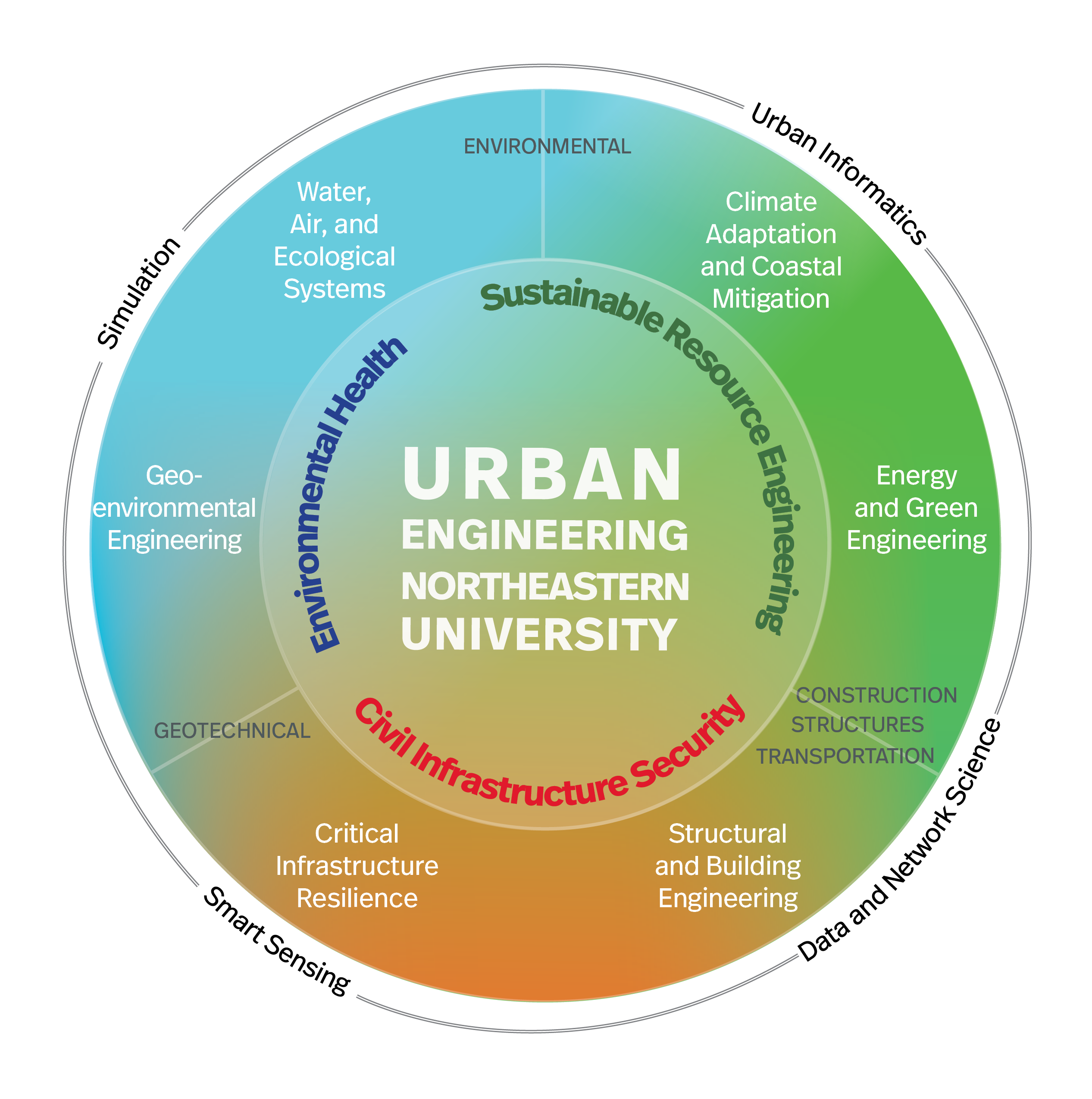
The Department of Civil and Environmental Engineering education and research missions are focused on Urban Engineering, anchored by several multi-disciplinary, multi-institutional centers and programs. Building on current strengths and expanding into new and vital areas, three overarching interdisciplinary research and education thrusts of the department include Environmental Health, Civil Infrastructure Security, and Sustainable Resource Engineering, with subthemes and disciplinary excellence in each of these areas. We have premier departmental strengths in four integrated enabling technologies that include Simulation (both computational and experimental), Smart Sensing, and Data and Network Science, and Urban Informatics.

q.wang@northeastern.edu
Urban and social resilience; geo-social networking; coupled, human-natural systems, natural disaster response and evacuation; urban computing

ya.zhang@northeastern.edu
Air quality; atmospheric chemistry; cloud/aerosol microphysics; sensitivity and uncertainty analysis; multiscale atmospheric modeling and forecasting; climate and Earth system modeling; health impact assessment; eco-environmental sustainability; human-Earth system interactions
Recent News

The Connection Between the Urban Heat Island Effect and Highway Construction
Recent research from CSSH/CEE Associate Professor Serena Alexander explains the impact of highway construction on urban “heat islands” and proposes initiatives to mitigate the consequential uptick in temperature from these projects.
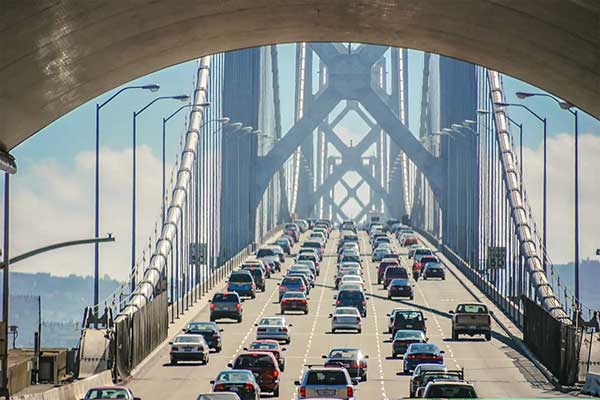
New Research Offers Insight on Barriers and Developments to Reduce Car Emissions in California
CSSH/CEE Associate Professor Serena Alexander co-authored a new study exploring how to make environmentally conscious transit decisions across five regional metropolitan areas in California. The study reveals the necessity of cooperation between state, regional, and local entities and the barriers they come across when coordinating new plans.
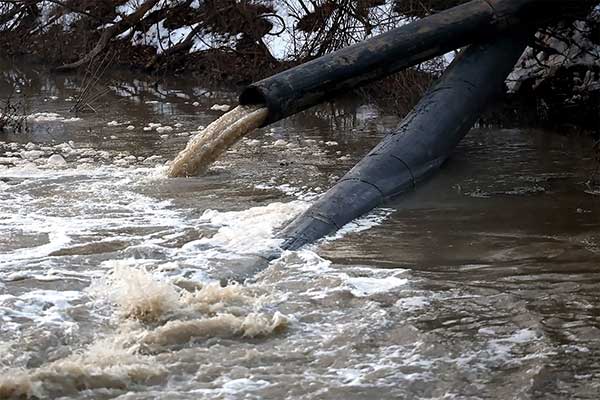
Wastewater Spills into the Potomac: Clean up Requires Manmade and Natural Teamwork
At the end of January, a major sewage pipeline collapsed into the Potomac River, spilling 243 million gallons of raw sewage into the water. CEE Chair and Professor Edward Beighley and Associate Teaching Professor Annalisa Onnis-Hayden explain the environmental risks as well as the processes that will clear the spill.
SDS Lab and AI4CaS Drive Global Climate Policy Impact
Researchers from the Sustainability and Data Sciences Laboratory (SDS Lab) and the AI for Climate and Sustainability (AI4CaS) group at the Institute for Experiential AI are driving global impact through expert features on the Muni Lowdown and What AI means for Sustainability podcasts and high-level policy presentations to U.S. and Indian officials.