
Research
Quick Facts
external research funding (2022-24)
young investigator awards
research centers and institutes
tenured/tenure-track faculty
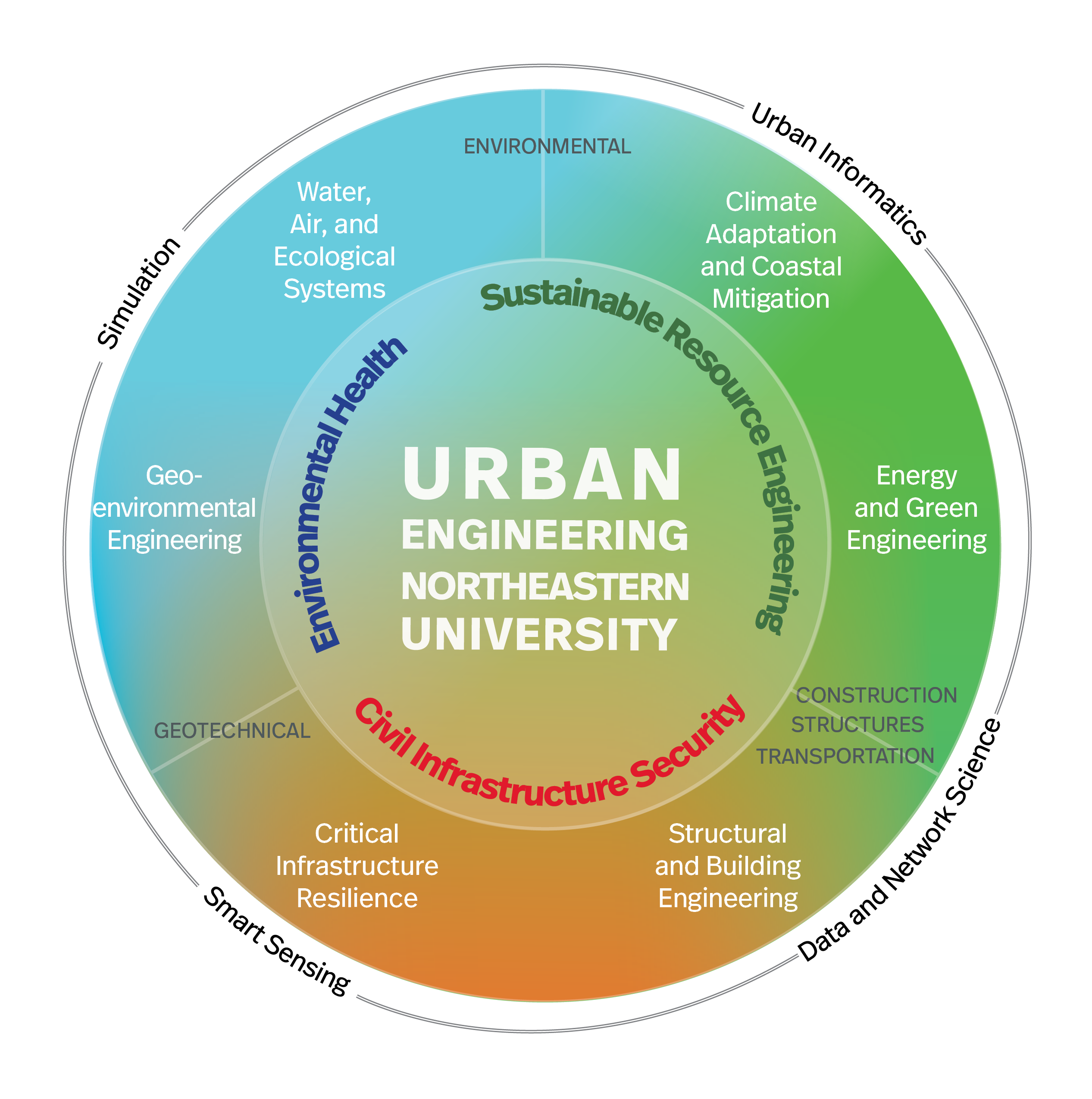
The Department of Civil and Environmental Engineering education and research missions are focused on Urban Engineering, anchored by several multi-disciplinary, multi-institutional centers and programs. Building on current strengths and expanding into new and vital areas, three overarching interdisciplinary research and education thrusts of the department include Environmental Health, Civil Infrastructure Security, and Sustainable Resource Engineering, with subthemes and disciplinary excellence in each of these areas. We have premier departmental strengths in four integrated enabling technologies that include Simulation (both computational and experimental), Smart Sensing, and Data and Network Science, and Urban Informatics.
Recent News
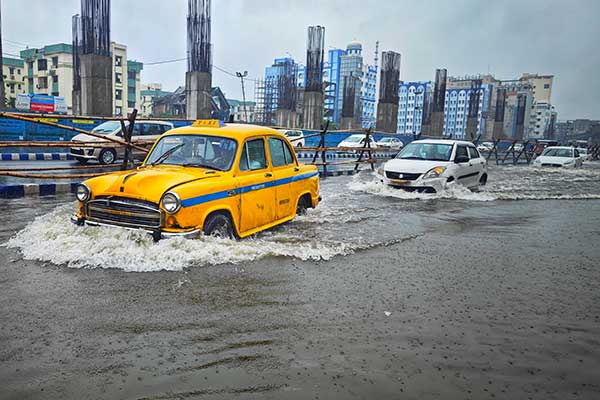
AIResQ Startup Uses Physics-Guided AI for Flood Resilience
Co-founded by CEE PhD alumni Udit Bhatia, PhD’18, and COE Distinguished Professor Auroop Ganguly, the startup AIResQ combines physics-guided artificial intelligence with localized data and custom low-cost sensors to help Indian cities and transportation networks predict and prepare for monsoon floods in real time.

Interdisciplinary Team Receives NSF FIRE Grant to Study FireScreens for Wildfire Safety
MIE Professor Yiannis Levendis, CEE Professor Luca Caracoglia, Affiliated Faculty Michelle Laboy, and MIE Assistant Professor Jeffrey Lipton were awarded a $1.06M NSF Fire Science Innovations through Research and Education (FIRE) grant for “Investigating Potential Solutions to Reduce Wildfire Risk Through Structural Hardening.”
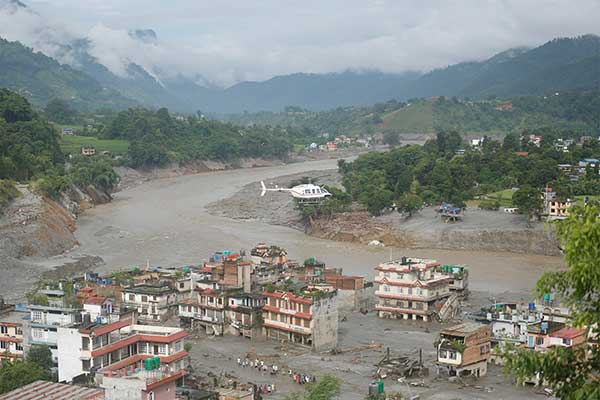
Multifactorial Causes of Himalaya Flood Devastation
CEE Distinguished Professor Auroop Ganguly explains that the catastrophic devastation from the recent flood in Nepal and Tibet was driven by a combination of natural triggers—such as a dislodged glacier chunk mixing with monsoon sediments—and human factors like land-use choices, lack of infrastructure preparedness, and high regional vulnerability.
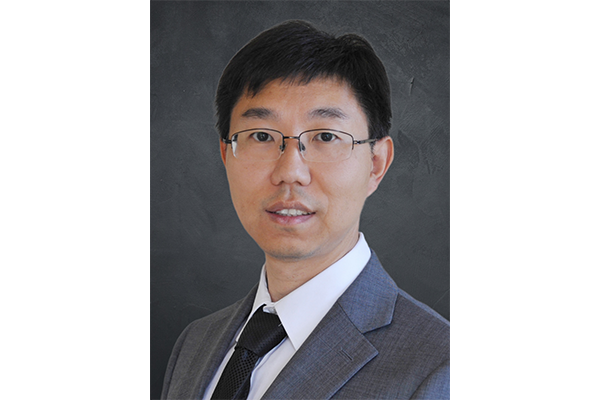
Liu to Lead New $1.2M Collaborative NSF Grant on Wildfire Emissions
Under a new $1.2M grant from the National Science Foundation’s Fire Science Innovations program, civil and environmental engineering assistant professor Shang Liu will lead a multi-institution study of emissions from building materials burned during wildland-urban interface (WUI) fires for the project “Investigating Fire Behavior-Emission Relationships for Building Materials.”